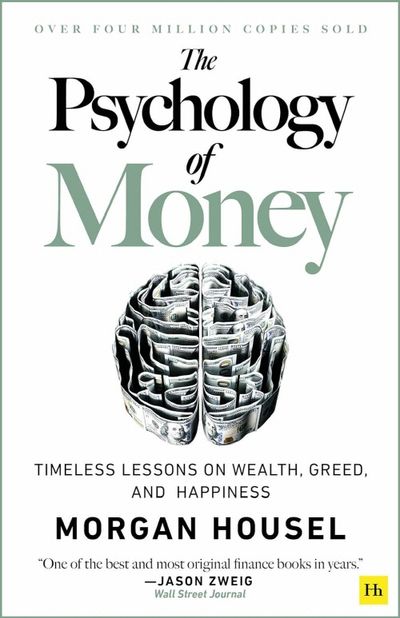
자본주의에 살고 있는 사람이라면 돈에 관심을 가져야 한다.
돈의 속성과, 돈을 대하는 마음가짐, 부에 대한 이야기를 통해 투자 마음가짐에 대해 이야기하는 책이다.
2019년도에 처음으로 증권 계좌를 만들고 주식 시장에 몸을 담은 지 어느덧 7년. 나만의 패턴과 시장 참여 리듬이 생겼다고 생각했지만 시드가 커질수록 앞으로의 방향성에 대한 고민과 자산을 잃는 것의 두려움, 그리고 더 큰 한 방을 바라는 욕심이 함께 따라왔다.
읽으면서 왜 돈을 모아야 하는가 부터 돈을 버는것, 그리고 돈을 지키는 과정에서 내 자산의 운용자로서 가져야 하는 시각, 마음가짐을 다시 새길 수 있었는데 과거의 나의 투자 선택을 반성하게 하기도 또 지금 가고 있는 방향에 대해 용기를 받기도 한 책.
투자를 시작할 때 비슷한 이야기들의 책, 유튜브들을 보며 공부했지만 시장을 경험한 상태에서 읽으니 사뭇 다른 느낌었다.
경제적 자유는 돈을 위해서가 아니라 시간을 위해서이다
People want to become wealthier to make them happier. Happiness is a complicated subject because everyone's different. But if there's a common denominator in happiness—a universal fuel of joy—it's that people want to control their lives. The ability to do what you want, when you want, with who you want, for as long as you want, is priceless. It is the highest dividend money pays.
왜 사람들은 돈에 집착할까. 자본주의 사회에서 돈은 선택권을 의미한다.
파이어를 하면 이른 은퇴를 자연스레 떠올리게 되지만 “선택지”가 생기는게 가장 강력하지 않나 싶다. 오히려 자산이 불어날수록 일을 하는 것은 돈 때문이라는 의무감보다 내 “선택”으로 하는 것이기 때문에 더 몰입할 수도 있지 않을까.
나는 일을 하는 것을 좋아하는 편이다. 회사에서 일하는 것이 힘들지라도 함께 세상에 어떤 제품을 만들어낸다는 것의 성취감, 같이 열심히 일하는 동료들과의 전우애 속에서 행복함을 느낀다. 아직 사회 초년생이고 한창 일에서의 성장을 추구할 때인 몫도 있지만 1-2년차일 때의 불안함(커리어적으로, 또 경제적으로)에 비해 현재 조금씩 자산 형성이 되어서 휴식이라는 선택지를 스스로에게 줄 수 있을 정도의 여유가 생긴 지금 훨씬 더 일에 주체적으로 몰입할 수 있는 것 같다.
자유라는 단어가 참 추상적이지만 내 자유 의지로 시간을 원하는 대로 사용하는 삶을 살기 위해서는 부를 일궈야 한다.
Being able to wake up one morning and change what you're doing, on your own terms, whenever you're ready, seems like the grandmother of all financial goals. Independence, to me, doesn't mean you'll stop working. It means you only do the work you like with people you like at the times you want for as long as you want.
“부자” 자체가 아니라 스스로의 자유, 독립을 위해 나아가자.
시간이 가장 큰 무기다
As I write this Warren Buffett's net worth is $84.5 billion. Of that, $84.2 billion was accumulated after his 50th birthday. $81.5 billion came after he qualified for Social Security, in his mid-60s. Warren Buffett is a phenomenal investor. But you miss a key point if you attach all of his success to investing acumen. The real key to his success is that he's been a phenomenal investor for three quarters of a century. Had he started investing in his 30s and retired in his 60s, few people would have ever heard of him.
There are books on economic cycles, trading strategies, and sector bets. But the most powerful and important book should be called Shut Up And Wait. It's just one page with a long-term chart of economic growth.

만 20살 즘에 투자를 시작했고 7년간 시장에 있었다. 워렌 버핏 선생님이 시장에 있었던 시간을 따라잡기 위해서는 75년 넘게 남았군. 😅
저축률 1% 올리는 것의 복리효과를 무시하지 말자
The first idea - simple, but easy to overlook - is that building wealth has little to do with your income or investment returns, and lots to do with your savings rate.
시장에 자산을 노출시키면 금융자산이 불어날수도, 곤두박칠수도 있다. 내가 제어할 수 있는 유일한 것은 내 저축률이다. 매 년 금융자산 목표를 세우지만 내가 가장 신경쓰는 부분은 순자산보다 내 지출이다. 수입의 65-75% 를 저축하고 있고, 급여가 높아지는 것과는 무관하게 소비수준을 일관되게 유지하고자 한다.
사람들은 1%의 수익률을 올리기 위해 고군분투하지만 저축액을 늘림으로서 복리의 눈덩이를 굴리는 것은 간과한다고 한다. 내가 행복할 수 있는 적정 소비수준을 찾았으면 그 이상은 사치다. 타인에게 보여지는 행복이 아니라 내가 행복할 수 있는 방향으로 나아가자.
시장은 사람이 만든다
Investing is not a hard science. It’s a massive group of people making imperfect decisions with limited information about things that will have a massive impact on their wellbeing, which can make even smart people nervous, greedy, and paranoid.
시장은 과학적으로 계산해낼 수 있는 것이 아니라 각자 다른 가치관과 상황의, 단기/장기적인 목표를 가지고 있는 사람들의 선택으로 만들어진다. 모든 사람이 나와 동일하게 시장을 바라보고 있다고 생각하지 말자. 누구는 오늘 하루의 상승을 먹고 나오려 하고 누구는 10년, 누구는 30년을 보고 투자한다. 정답지는 없고, 나는 내 갈 길을 가면 된다.
장기투자는 믿음으로부터 나온다
Invest in a promising company you don't care about, and you might enjoy it when everything's going well. But when the tide inevitably turns you're suddenly losing money on something you're not interested in. It's a double burden, and the path of least resistance is to move onto something else. If you're passionate about the company to begin with—you love the mission, the product, the team, the science, whatever—the inevitable down times when you're losing money or the company needs help are blunted by the fact that at least you feel like you're part of something meaningful. That can be the necessary motivation that prevents you from giving up and moving on.
믿음이 있어야 장기 투자가 가능 하다. 그만큼 주식 하나를 구매할 때 책임감을 가져야 한다.
투자자로서 나를 보았을 때 나는 귀찮은 편에 속한다. 잦은 매매를 좋아하지 않고, 기업 공부를 열심히 하는 편도 아니다. 그러나 게으른 투자자이기에 내가 장기 우상향하리라 믿는 지수에 대해서는 오래 들고갈 끈기가 있는 사람이다. 반대로 그렇지 않은 경우에는 여느 투자자들처럼 손실을 견디기 어려워한다.
삼성전자가 평단 5만원대에서 12만원을 넘어가도록 성장한 2025년도에 나는 2월달에 4만원대에 가지고 있던 모든 삼성전자 주식을 단가 54,000 에 매도했다. 2019년도 한일 무역 전쟁으로 인해 비교적 저점에 구매해 5년 이상 들고 있었으나 몇 개월 차로 두 배 이상 상승 흐름을 놓친 것이다.
수량은 많지 않았지만 반도체 호황기로 국내 코스피 상승률이 70% 를 찍었던 해에 코스피 지수 ETF 인 KODEX200 및 삼성전자를 앞으로 올 10개월을 알지 못한 채 2025년도 2월달에 모두 매도해버려 폭발적인 상승장에 함께 하지 못했다.
참 돈의 심리학을 잘 설명해주는 경험이랄까. 반대로 2025년도 4월달에 트럼프 관세 정책으로 인해 나스닥이 고점 대비 20% 이상 하락할 때 난 미국 지수에 대한 신뢰로 추가매수를 열심히 했다.
장기적으로 시장은 우상향한다는 것을 믿고 계속 시장에 참여하자. 시장에 있는 시간이 그 어떤 정보, 트렌드보다도 큰 수익을 안겨다 줄 수 있는 무기이다. 믿음이 생기기 이전이라면, 투자를 안 하는것이 맞다.
Room for error lets you endure a range of potential outcomes, and endurance lets you stick around long enough to let the odds of benefiting from a low-probability outcome fall in your favor. The biggest gains occur infrequently, either because they don't happen often or because they take time to compound. So the person with enough room for error in part of their strategy (cash) to let them endure hardship in another (stocks) has an edge over the person who gets wiped out, game over, insert more tokens, when they're wrong.
돈에 있어서 항상 겸손하자. 그리고 항상 혹시 모를 위기를 위해 위기를 기회로 만들어줄 수 있는 오차 범위를 가져가야 한다. = 현금을 어느 정도 들고 있어야 한다.
2020년 3월 14일 팬데믹이 발표된 날, 미국 지수들은 고점 대비 30% 가량 하락했다. 그 이후 폭발적으로 오르다 2022년 한 해 동안 하락장이 이어졌고. 그 다음에 2025년도 4월에 관세 정책으로 인해 또다시 시장은 흔들렸다. 자본주의 사회에서 경기는 계속 순환할 것이고 위기도 반복적으로 올 것이다. 위기를 기회로 만들 수 있는 현금 자산을 10% 비중으로 항상 남겨두자.
- Go out of your way to find humility when things are going right and forgiveness/ compassion for when they go wrong.
- Less ego, more wealth.
- Manage your money in a way that helps you sleep at night.
- If you want to do better as an investor, the single most powerful thing you can do is increase your time horizon.
- Become OK with a lot of things going wrong. You can be wrong half the time and still make a fortune, because small minority of things account for the majority of outcomes.
- Use money to gain control over your time, because not having control of your time is such a powerful and universal drag on happiness.
- Be nicer and less flashy.
- Save. Just save. You don’t need a specific reason to save.
- Define the cost of success and be ready to pay it.
- Worship room for error.
- Avoid the extreme ends of financial decisions.
- You should like risks because it pays off over time.
- Define the game you’re playing, and make sure your actions are not being influenced by people playing a different game.
- Respect the mess. There’s no single right answer; just the answer that works for you.
'독서일기' 카테고리의 다른 글
| [독서일기] Same as Ever | 불변의 법칙 (1) | 2026.04.25 |
|---|
